
Introduction
Staying warm during cold weather can sometimes be difficult, especially when you are away from a traditional heating system. This is where a battery powered heater can seem like an attractive portable heating option. Unlike conventional heaters that need to remain connected to a wall outlet, battery-operated heating devices are designed with portability in mind.
People may consider portable heating solutions for outdoor activities, temporary spaces, vehicles, or situations where access to mains electricity is limited. However, understanding how these devices work, their limitations, and their safety requirements is important before choosing one.
What Is a Battery Powered Heater?
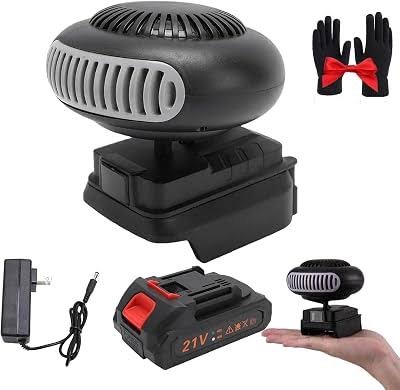
A battery powered heater is a portable heating device designed to operate using stored electrical energy. Instead of receiving continuous power from a wall outlet, the device draws energy from a rechargeable battery or compatible battery system.
The battery supplies electricity to a heating element, which converts electrical energy into heat. Depending on the design, a small fan may distribute warm air around the surrounding area.
Because heating generally requires considerable energy, battery-powered heaters often have shorter operating times than lower-power portable electronics. The actual runtime depends on the battery capacity, heater power, temperature settings, and surrounding conditions.
How Does a Battery Powered Heater Work?
Most electric heating devices use a heating element that becomes warm when electrical current passes through it.
In a battery-operated model, the battery provides the necessary electrical power. Some models may include adjustable settings that allow users to select different heat levels.
Higher heat settings generally consume more energy, which can reduce battery runtime. Lower settings may allow the device to operate for longer.
The exact technology varies between products, so users should always follow the manufacturer’s instructions regarding charging, operation, and compatible batteries.
Benefits of Portable Heating
One of the biggest advantages of a battery-powered heating device is portability. Without a permanent connection to a wall outlet, a suitable device can potentially be moved between locations more easily.
This can be useful in temporary settings where traditional heating is unavailable.
Another advantage is convenience. A rechargeable unit may be easier to transport than a larger heating appliance.
Battery-powered designs can also be useful as supplementary heating rather than attempting to warm an entire room. In many situations, heating a small personal area requires less energy than heating a large space.
Understanding Battery Runtime
Battery runtime is an important consideration when evaluating portable heaters.
Heating elements can consume substantial amounts of electricity. As a result, even a large rechargeable battery may not operate a heater for as long as it would operate a low-power electronic device.
Runtime depends on several factors, including:
- Battery capacity
- Heater wattage
- Selected temperature setting
- Battery age and condition
- Ambient temperature
- Device efficiency
A product specification may provide an estimated runtime, but real-world performance can vary.
Charging Considerations
Rechargeable battery-powered heaters need to be charged according to the manufacturer’s instructions.
Use the charger and charging equipment recommended for the specific device. Avoid using incompatible charging equipment simply because a connector appears to fit.
It is also important to pay attention to charging conditions. Batteries should be kept away from excessive heat, moisture, and physical damage.
If a battery becomes unusually hot, swollen, damaged, or behaves differently from normal, stop using it and follow the manufacturer’s safety guidance.
Battery Powered Heater Safety
Safety should always be a priority when using any heating appliance.
Keep heaters away from flammable materials such as curtains, bedding, paper, clothing, and other items that can catch fire.
Do not cover a heater while it is operating unless the manufacturer specifically states that it is designed for that use. Blocking ventilation or airflow can cause overheating.
Never leave a portable heater operating unattended if the manufacturer’s instructions advise against it.
It is also important to use the device only in the environments for which it was designed. Some products may not be suitable for enclosed areas, vehicles, bathrooms, or outdoor conditions.
Choosing the Right Portable Heater
When considering a battery powered heater, look beyond the advertised heating capability.
Check the battery capacity, power consumption, estimated operating time, charging requirements, dimensions, weight, and built-in safety features.
Automatic shutoff, overheating protection, stable construction, and clear operating instructions are useful features to consider.
It is also worth checking whether the product is designed primarily for personal heating or for warming a larger area. A small portable heater should not automatically be expected to heat an entire room effectively.
Battery-Powered vs. Plug-In Heaters
Traditional plug-in electric heaters generally have access to continuous electrical power, making them suitable for longer periods of operation.
Battery-powered heaters offer greater portability but have an important limitation: their operating time depends on stored energy.
This means each type has a different purpose. A plug-in heater may be more practical for continuous room heating, while a battery-operated model may be considered when portability is more important.
Understanding this difference can help prevent unrealistic expectations about battery heating.
Where Portable Heating May Be Useful
Portable heating devices can be considered for various situations, depending on the specific product’s intended use.
Some people may look for compact heating solutions while spending time in temporary locations or participating in outdoor activities. Others may prefer a small device for personal comfort rather than heating an entire space.
However, the environment matters. Always check the product’s instructions to determine where it can safely be used.
Energy Efficiency
Energy efficiency is particularly important for battery-powered heating because stored electrical energy is limited.
Using the lowest comfortable heat setting can help conserve battery power. Keeping the device properly maintained and following the manufacturer’s instructions can also support efficient operation.
For indoor spaces, improving insulation and reducing drafts may be more effective than relying entirely on a small portable heater.
Conclusion
A battery powered heater can offer a portable approach to personal heating, particularly in situations where access to a wall outlet is limited. Its main advantage is mobility, while battery capacity and energy consumption are its biggest practical limitations.
Before selecting a portable heating device, consider battery runtime, power requirements, charging arrangements, size, intended environment, and safety features.
Most importantly, follow the manufacturer’s instructions and use the device only as intended. With realistic expectations and proper safety precautions, portable heating technology can be a convenient option for certain situations.
You May Also Read

One Comment