Anesthesiologist Assistant: Career, Education, Duties, and Opportunities
Anesthesiologist Assistant

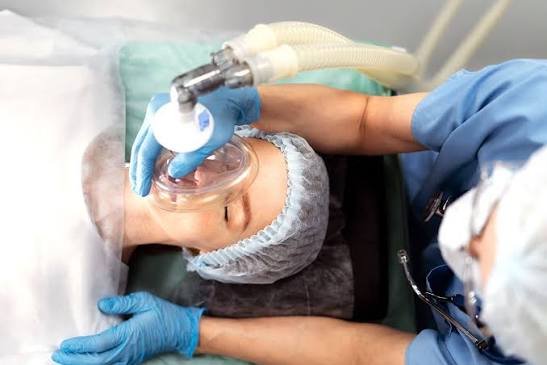
Choosing a healthcare career can be an exciting decision, especially for students interested in medicine, patient care, and working in a clinical environment. An anesthesiologist assistant is an important member of the anesthesia care team who works under the direction and supervision of an anesthesiologist. This career combines medical knowledge, technology, patient monitoring, and teamwork.
For people interested in a specialized healthcare profession, understanding the role, education requirements, responsibilities, and career opportunities of an anesthesiologist assistant can help them make an informed decision.
What Is an Anesthesiologist Assistant?
An anesthesiologist assistant is an advanced healthcare professional who assists an anesthesiologist in providing anesthesia-related patient care. Their work can take place before, during, and after surgical procedures.
Anesthesiologist assistants are trained to participate in anesthesia care, monitor patients, prepare equipment, and support the anesthesia team. Their exact responsibilities and legal scope of practice can vary depending on the location and applicable regulations.
The profession requires strong attention to detail because anesthesia care involves continuous observation of a patient’s condition. Anesthesiologist assistants therefore need excellent communication, technical, and clinical skills.
What Does an Anesthesiologist Assistant Do?
The daily responsibilities of an anesthesiologist assistant can vary depending on the healthcare facility and clinical setting. Generally, their work may include helping with patient assessment, preparing anesthesia equipment, monitoring vital signs, and assisting during anesthesia procedures.
Before a procedure, an anesthesiologist assistant may help gather relevant patient information and prepare equipment and medications according to the anesthesia plan established by the supervising anesthesiologist.
During a procedure, patient monitoring is a major part of anesthesia care. The anesthesia team continuously observes vital signs and other clinical information. Anesthesiologist assistants may assist with maintaining appropriate monitoring and responding to changes under the direction of the anesthesiologist.
After surgery, they may participate in patient recovery and provide information to the anesthesia team regarding the patient’s condition.
Anesthesiologist Assistant Education
Becoming an anesthesiologist assistant generally requires significant higher education and specialized clinical training. Students commonly begin with undergraduate coursework that provides a foundation in subjects such as biology, chemistry, physics, mathematics, and other sciences.
After completing the necessary undergraduate education and prerequisites, students can apply to an accredited anesthesiologist assistant graduate program where available.
Graduate education typically combines classroom instruction with hands-on clinical experience. Students learn about anatomy, physiology, pharmacology, anesthesia principles, patient monitoring, and other healthcare subjects.
Clinical education is particularly important because it allows students to develop practical skills in real healthcare environments under appropriate supervision.
Anesthesiologist Assistant Program
An anesthesiologist assistant program is designed to prepare students for the responsibilities associated with anesthesia care. Programs can be demanding because students must understand complex medical concepts while developing practical clinical abilities.
Typical areas of study may include:
- Human anatomy and physiology
- Pharmacology
- Pathophysiology
- Anesthesia principles
- Patient assessment
- Airway management
- Clinical monitoring
- Medical ethics
- Emergency response
- Perioperative care
Students also receive supervised clinical training that helps them connect theoretical knowledge with patient care.
Because program requirements differ, prospective students should carefully review admission prerequisites, accreditation status, certification requirements, and local regulations before applying.
Important Skills for an Anesthesiologist Assistant
Anesthesiologist assistants need more than academic knowledge. Their work requires several professional skills.
Attention to detail is essential because anesthesia care involves monitoring important patient information and following carefully established procedures.
Communication skills are also important. Anesthesiologist assistants work closely with anesthesiologists, surgeons, nurses, technicians, and other healthcare professionals.
Critical thinking can help healthcare professionals recognize changes in a patient’s condition and communicate important information quickly to the appropriate member of the care team.
Teamwork is another major part of the profession. Anesthesia care is often delivered as part of a coordinated healthcare team.
Finally, anesthesiologist assistants need professionalism, compassion, responsibility, and the ability to remain focused in demanding clinical environments.
Anesthesiologist Assistant vs. CRNA
People researching anesthesia careers often compare an anesthesiologist assistant with a certified registered nurse anesthetist, commonly called a CRNA.
Both professionals can be involved in anesthesia care, but their educational pathways and professional structures are different. Anesthesiologist assistants are trained specifically through an anesthesia-focused educational pathway and work within an anesthesiologist-led care model where permitted.
CRNAs follow a nursing-based educational pathway and have their own professional training and regulatory framework.
Anyone comparing these careers should look at education requirements, certification, state or regional laws, work settings, responsibilities, and career goals rather than choosing based on job title alone.
Anesthesiologist Assistant Salary
Salary is another factor that attracts people to healthcare careers. The income of an anesthesiologist assistant can vary according to geographic location, experience, employer, work setting, and other factors.
Rather than relying on a single salary number, students should research current compensation information for the specific area where they plan to work.
Benefits can also be an important part of total compensation. Depending on the employer, healthcare professionals may receive benefits such as health insurance, retirement plans, paid leave, and professional development opportunities.
Career Opportunities
Anesthesiologist assistants may find opportunities in hospitals, surgical centers, and other healthcare environments where their profession is authorized to practice.
As healthcare systems continue to require qualified professionals, specialized healthcare careers can offer opportunities for professional growth. Experienced anesthesiologist assistants may also continue developing their clinical knowledge through professional education and training.
The best career choice depends on individual interests, educational goals, location, and the regulations governing anesthesia practice.
How to Become an Anesthesiologist Assistant
The general path to becoming an anesthesiologist assistant includes several stages. First, students complete an appropriate undergraduate education and required prerequisite courses. Next, they apply to a suitable graduate anesthesiologist assistant program.
After completing graduate education and clinical training, graduates must meet applicable certification and licensing requirements before practicing.
Because requirements can change and differ by jurisdiction, students should always check current information from relevant educational, certification, and licensing organizations.
Conclusion
An anesthesiologist assistant can be a rewarding healthcare career for people who enjoy science, medicine, technology, teamwork, and patient care. The profession requires strong academic preparation, specialized graduate education, clinical training, and professional responsibility.
From assisting with anesthesia preparation to supporting patient monitoring and recovery, anesthesiologist assistants can play an important role within an anesthesia care team.
Anyone considering this career should carefully research anesthesiologist assistant programs, education requirements, certification, licensing, salary information, and local scope-of-practice rules. With the right preparation and commitment to learning, this specialized healthcare profession can provide a meaningful path into the medical field.
You May Also Read




One Comment