
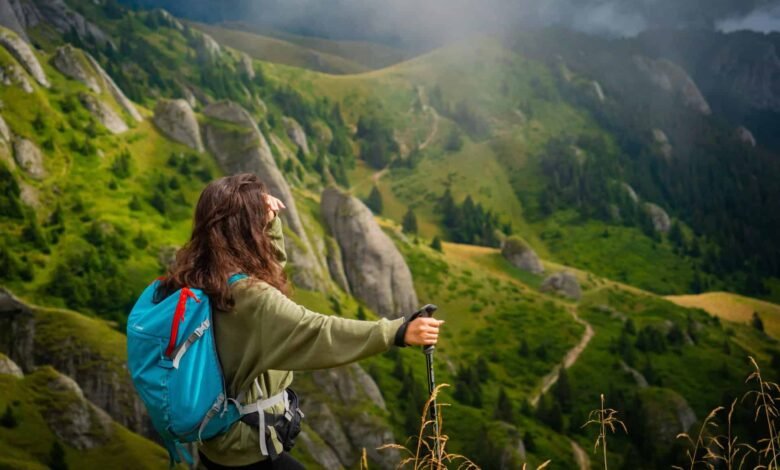
Long-Tail Keywords: solo hiking
Solo hiking is a rewarding way to experience nature, explore new places, and enjoy peaceful time away from busy surroundings. Unlike group hiking, traveling on your own gives you greater freedom to choose your route, pace, and schedule. It can also provide an opportunity to become more comfortable with planning, navigation, and making decisions independently.
From local trails to longer outdoor adventures, solo hiking can be enjoyed by people with different levels of experience. The key is choosing an appropriate trail, preparing carefully, and understanding the environment before setting out.
What Is Solo Hiking?
Solo hiking simply means exploring a hiking trail without accompanying friends, family members, or a group. It can involve anything from a short walk on a familiar trail to a longer day hike in a new location.
One of the biggest advantages is flexibility. When hiking alone, you do not have to match another person’s pace or preferences. You can stop to take photographs, enjoy scenery, rest, or continue walking whenever you choose.
However, hiking alone also requires greater personal responsibility. There is no hiking partner immediately available to help if something unexpected happens, so preparation becomes particularly important.
Benefits of Solo Hiking
Solo hiking can offer several positive experiences. One of the most obvious is independence. Planning your own route and managing your time can help develop useful organizational and decision-making skills.
Another benefit is the opportunity to enjoy nature without distractions. A quiet trail can provide time to observe scenery, listen to natural sounds, and take a break from everyday routines.
Solo hiking can also be a good way to explore personal interests. Some hikers enjoy photography, while others prefer observing wildlife, landscapes, plants, or interesting geological features.
Choosing the Right Trail
Selecting an appropriate trail is one of the most important parts of preparing for a solo hike. Beginners should generally start with trails that are well-known, clearly marked, and suitable for their experience level.
Before starting, check the trail’s length, difficulty, elevation changes, terrain, weather conditions, and expected duration. It is also useful to understand whether mobile phone coverage is available.
A familiar local trail can be a better choice for a first solo hike than an unfamiliar remote route. As experience grows, hikers can gradually explore more challenging environments.
Planning Before You Go
Good preparation can make a solo hiking experience much smoother. Before leaving, research the route and check current conditions.
Tell a trusted adult, family member, or another responsible person where you plan to go and approximately when you expect to return. Sharing your planned route can make it easier for someone to know where you are if plans change unexpectedly.
It is also useful to check the weather forecast and any official trail notices. Trails can sometimes be closed because of weather, maintenance, wildlife activity, or other local conditions.
What to Bring
The equipment needed for a hike depends on the trail, weather, and length of the trip. Basic items can include sufficient drinking water, appropriate food or snacks, comfortable clothing, suitable footwear, a fully charged phone, and a small first-aid kit.
Navigation information is also important. A downloaded map or an official trail map can be useful in areas where mobile coverage is limited.
Sun protection and weather-appropriate clothing may also be necessary depending on the destination.
The goal is not to carry unnecessary equipment but to make sure essential needs are covered.
Staying on the Trail
Following marked routes is especially important when hiking alone. Wandering away from established trails can make navigation more difficult and may lead to environmentally sensitive areas.
Pay attention to signs, trail markers, maps, and official instructions. If the route becomes unclear, it is better to stop and reassess rather than continue without knowing where the trail leads.
A simple navigation habit is to regularly check your location against the planned route rather than waiting until you are uncertain about your direction.
Understanding Weather Conditions
Weather can change quickly in some hiking environments. Rain, strong winds, extreme temperatures, or poor visibility can make a trail significantly more difficult.
Checking the forecast before leaving is therefore an important part of preparation. If conditions become unsuitable, changing plans is a sensible decision.
A successful hike is not measured by completing every planned kilometer. Knowing when to turn back can be just as important as reaching a destination.
Staying Connected
Communication is another important consideration during solo hiking. Keep your phone charged and consider carrying a portable power bank for longer trips.
Where possible, let someone know your expected route and return time. Some hiking locations also provide official trail registration or visitor information systems.
If you change your route significantly, communicating that change to the person who knows your plans can be helpful.
Enjoying Nature Responsibly
Solo hikers should also think about the environment. Following Leave No Trace principles can help protect natural areas.
Avoid leaving rubbish behind, disturbing wildlife, damaging plants, or creating unnecessary noise. Staying on established trails can also reduce damage to sensitive landscapes.
Responsible hiking ensures that natural areas remain enjoyable for other visitors and future generations.
Photography and Solo Hiking
Photography is one activity that can pair naturally with solo hiking. Being on your own gives you plenty of opportunities to stop and capture landscapes without worrying about keeping pace with a group.
However, photography should not distract from awareness of the trail and surroundings. It is better to stop in a safe location before focusing on taking pictures.
A simple smartphone can be enough to capture memorable moments, although dedicated cameras can provide additional options for people interested in photography.
Building Confidence Gradually
People new to solo hiking do not need to begin with a difficult adventure. Confidence can develop gradually through short and familiar routes.
A beginner might start with a relatively easy trail in a well-known outdoor area. After gaining experience with navigation, weather planning, and pacing, longer routes may become more comfortable.
This gradual approach allows hikers to learn what works for them without taking on unnecessary challenges.
Why Solo Hiking Can Be Memorable
One of the most rewarding aspects of solo hiking is the sense of personal discovery. Exploring a trail independently can create memorable experiences and encourage greater appreciation for nature.
The quiet environment can also provide an opportunity to think, observe, and enjoy a slower pace. Even a short hike can feel refreshing when it provides a break from screens, traffic, and busy schedules.
Final Thoughts
Solo hiking can be an enjoyable way to explore nature, develop independence, and experience the outdoors at your own pace. The experience becomes much more comfortable when hikers choose suitable trails, prepare carefully, monitor conditions, and communicate their plans to someone they trust.
Starting small is often the best approach. A familiar, well-marked trail can provide an excellent introduction to hiking independently. With experience, hikers can learn more about navigation, preparation, and responsible outdoor recreation.
Most importantly, solo hiking should focus on enjoying nature while making sensible choices. With thoughtful planning and respect for the environment, a solo hike can become a rewarding and memorable outdoor experience.
You May Also Read
