Nutrition Advice TheWeeklyHealthiness: A Complete Guide to Healthy Eating
Nutrition Advice TheWeeklyHealthiness

Introduction
Nutrition Advice TheWeeklyHealthiness is a topic for readers interested in understanding healthy eating, balanced meals, and everyday habits that support overall well-being. Good nutrition plays an important role in providing energy, supporting normal body functions, and helping people maintain an active lifestyle. With so much dietary information available online, finding practical and understandable guidance can sometimes feel confusing. Learning the basics of nutrition makes it easier to make informed food choices without following complicated diets or unrealistic rules. This article explores balanced nutrition, essential nutrients, meal planning, hydration, and simple habits that can help people build a healthier relationship with food.
What Is Nutrition Advice TheWeeklyHealthiness?
Nutrition advice generally refers to information that helps people understand food, nutrients, eating patterns, and their relationship with overall health. The phrase TheWeeklyHealthiness may be used by readers searching for wellness-related content, although the exact identity and editorial standards of any specific platform should be checked independently.
Reliable nutrition guidance focuses on evidence-based information rather than exaggerated promises. It recognizes that people have different nutritional needs depending on factors such as age, activity level, culture, food preferences, and individual health circumstances.
Healthy eating does not require expensive ingredients or a perfect daily menu. Instead, it involves developing sustainable habits that make nutritious food accessible and enjoyable.
Understanding the Basics of Balanced Nutrition
A balanced eating pattern includes a variety of foods that supply essential nutrients. No single food provides everything the body needs, which is why variety matters.
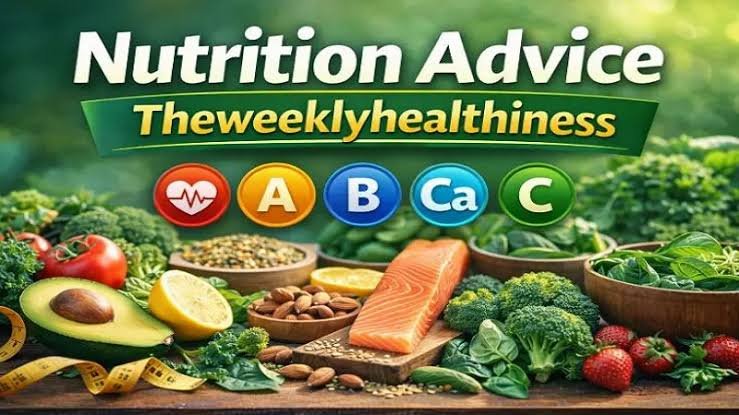
Fruits and vegetables provide vitamins, minerals, fiber, and other beneficial plant compounds. Whole grains, such as oats and brown rice, provide carbohydrates and fiber. Protein-rich foods support the maintenance and repair of body tissues, while healthy fats help the body absorb certain vitamins and perform important functions.
Examples of protein sources include beans, lentils, eggs, fish, dairy products, tofu, and poultry. Sources of unsaturated fats include nuts, seeds, olive oil, and avocados.
A practical meal can combine vegetables, a grain or other carbohydrate source, and a protein-rich food. The proportions can vary according to individual needs, appetite, and cultural eating habits.
The main goal is to build a varied eating pattern instead of treating individual foods as universally good or bad.
Why Essential Nutrients Matter
The body relies on several categories of nutrients to function properly.
Carbohydrates: These provide an important source of energy. Whole grains, fruits, vegetables, and legumes can supply carbohydrates alongside fiber and other nutrients.
Protein: Protein supports tissue maintenance and repair and contributes to the production of enzymes and other important substances. Eating a variety of protein-rich foods can help meet nutritional needs.
Fats: Dietary fats support cell function, provide energy, and help the body absorb vitamins A, D, E, and K. Unsaturated fats are useful choices within a balanced eating pattern.
Vitamins and minerals: These nutrients contribute to processes such as immune function, bone health, nerve function, and energy metabolism. Eating a wide range of foods helps provide many essential vitamins and minerals.
Fiber: Fiber supports digestive health and can contribute to feelings of fullness. Beans, lentils, fruits, vegetables, nuts, seeds, and whole grains are useful sources.
Rather than focusing on one nutrient alone, a varied diet helps provide a broader range of nutritional benefits.
Practical Healthy Eating Habits
Healthy eating becomes easier when it fits naturally into everyday life. Small, manageable changes are often more sustainable than attempting to change every habit at once.
Start by including different fruits and vegetables throughout the week. Fresh, frozen, and appropriately prepared canned options can all contribute to a nutritious eating pattern.
Choose whole grains regularly when available. Oats, whole-wheat bread, and brown rice are examples that can add fiber and variety to meals.
Include protein-rich foods across meals according to your preferences. Lentils, chickpeas, eggs, yogurt, and fish can all be incorporated into different cuisines.
It is also helpful to pay attention to hunger and fullness cues. Eating regularly and allowing yourself to enjoy meals without unnecessary guilt can support a healthier relationship with food.
Remember that healthy eating does not mean avoiding every dessert, snack, or favorite dish. Flexibility and variety are important parts of a sustainable approach.
Meal Planning for a Busy Lifestyle
Meal planning can help make nutritious choices more convenient, particularly when schedules are busy.
Begin by identifying a few meals that are easy to prepare and that you genuinely enjoy. Create a shopping list based on those meals, considering the ingredients already available at home.
Preparing basic ingredients ahead of time can also save effort. For example, cooked lentils, washed vegetables, boiled eggs, or prepared grains can be used in several different meals.
A simple day of meals might include oatmeal with fruit for breakfast, a lentil and vegetable dish with rice for lunch, and eggs, fish, tofu, or beans served with vegetables and bread for dinner. Snacks such as fruit, yogurt, or nuts can be included when desired and appropriate.
These examples are flexible rather than a fixed dietary prescription. Portion sizes and food choices should reflect individual appetite, nutritional needs, and access to ingredients.
Planning meals around familiar foods can make healthy eating more affordable and realistic.
Hydration and Everyday Wellness
Water supports digestion, circulation, temperature regulation, and many other normal bodily functions. Drinking fluids regularly throughout the day is a useful habit.
Fluid requirements vary depending on factors such as age, physical activity, climate, and individual circumstances. Hot weather and exercise may increase fluid needs.
Water is a convenient everyday option, while other drinks and water-rich foods can also contribute to fluid intake. Keeping a water bottle nearby may help people remember to drink throughout the day.
Nutrition is only one part of overall wellness. Adequate sleep, regular enjoyable movement, stress management, and social connection can also contribute to general health.
A balanced lifestyle does not require perfection. Consistency and flexibility are more useful than expecting every day to follow an ideal routine.
Common Nutrition Myths to Avoid
Online nutrition discussions often contain claims that oversimplify how food affects the body.
One common misconception is that carbohydrates are always unhealthy. In reality, foods such as whole grains, fruits, and legumes can be valuable sources of energy and nutrients.
Another myth is that supplements are necessary for everyone. Some people may benefit from specific supplements, but needs vary. Supplements should not automatically replace a varied diet, and professional advice can help determine whether one is appropriate.
Some sources also promote extreme food restrictions as a universal solution. Such advice can be misleading because nutritional needs differ, and unnecessarily eliminating food groups may make it harder to obtain essential nutrients.
Readers should be cautious about advice promising rapid transformations or claiming that one particular food can solve every health problem.
For personalized nutrition concerns, a qualified healthcare professional or registered dietitian can provide guidance suited to individual circumstances.
Conclusion
Nutrition Advice TheWeeklyHealthiness represents a useful topic for anyone exploring balanced eating and everyday wellness. Understanding essential nutrients, eating a variety of foods, planning practical meals, and maintaining hydration can help people develop sustainable habits.
The most effective approach is not about following every online trend or striving for a perfect diet. It is about making informed choices that fit personal needs, preferences, culture, and daily routines.
By focusing on variety, balance, flexibility, and trustworthy information, readers can build a more practical understanding of nutrition and make thoughtful decisions about their everyday eating habits.
Long-Tail Keywords
- Nutrition Advice TheWeeklyHealthiness
- TheWeeklyHealthiness Nutrition Guide
- Healthy Eating Tips TheWeeklyHealthiness
- Balanced Diet and Nutrition Advice
- Everyday Nutrition and Wellness
- Practical Healthy Meal Planning
- Essential Nutrients for Healthy Living
You May Also Read

One Comment