Restorative Dentistry: A Complete Guide to Restoring Healthy Smiles
Restorative Dentistry

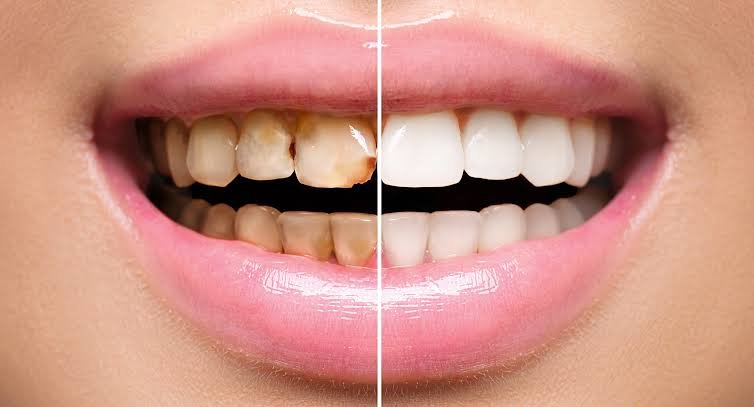
A healthy smile is an important part of overall oral health and everyday confidence. Teeth can become damaged because of cavities, injuries, wear, or other dental problems. When this happens, restorative dentistry can help repair damaged teeth and restore their function. It focuses on treating dental problems while helping patients maintain a comfortable and functional smile.
Restorative Dentistry includes a range of dental procedures designed to repair or replace damaged or missing teeth. Depending on the condition of a patient’s teeth, a dentist may recommend treatments such as fillings, crowns, bridges, dentures, or dental implants.
What Is Restorative Dentistry?
Restorative dentistry is a branch of dental care focused on repairing damaged, decayed, or missing teeth. The primary goal is to restore normal dental function while protecting remaining natural teeth.
Unlike cosmetic dentistry, which primarily focuses on improving the appearance of teeth, restorative dentistry is mainly concerned with oral health and function. Some restorative treatments can also improve the appearance of a smile as an additional benefit.
A dentist evaluates the condition of the teeth, gums, and surrounding structures before recommending an appropriate treatment.
Why Is Restorative Dentistry Important?
Damaged or missing teeth can affect more than just appearance. A cavity that is not treated may become larger and potentially cause discomfort or infection. Missing teeth can also make chewing more difficult and may affect the way surrounding teeth function.
Restorative Dentistry helps address these problems by repairing or replacing affected teeth. Early treatment may also help prevent a relatively small dental problem from becoming more complicated.
Regular dental examinations are therefore an important part of maintaining oral health and identifying problems before they become more serious.
Common Restorative Dentistry Treatments
There are several treatments that may be considered restorative dentistry. The appropriate option depends on the patient’s specific dental needs.
Dental Fillings
Dental fillings are commonly used to repair teeth affected by cavities. During treatment, the dentist removes the damaged portion of the tooth and fills the area with an appropriate material.
Fillings can help restore the tooth’s structure and allow it to function normally. Modern filling materials can also be selected to provide a natural-looking appearance.
Dental Crowns
A dental crown is a restoration that covers and protects a damaged tooth. Crowns may be recommended when a tooth has significant structural damage or has received certain types of dental treatment.
A crown can strengthen the remaining tooth and restore its shape and function. Dentists may use different materials depending on the location of the tooth and the patient’s needs.
Dental Bridges
A dental bridge can be used to replace one or more missing teeth. It generally uses surrounding teeth or other supporting structures to hold the replacement tooth in position.
Bridges can help restore chewing function and may prevent neighboring teeth from shifting into an empty space.
Dental Implants
Dental implants are another option for replacing missing teeth. An implant uses a dental fixture placed in the jawbone to support a replacement tooth.
Implant treatment typically involves multiple stages and requires an assessment of the patient’s oral health and bone structure. A dentist can determine whether implants are an appropriate option.
Dentures
Dentures are removable dental appliances used to replace multiple missing teeth or, in some cases, an entire set of teeth.
They can help improve chewing and speaking while restoring the appearance of the smile. Dentures can be designed to fit the individual’s mouth and dental needs.
Benefits of Restorative Dentistry
One of the main benefits of Restorative Dentistry is improved dental function. Repairing damaged teeth can make eating and speaking more comfortable.
Restorative treatments can also help protect natural teeth. For example, a crown may provide additional protection to a weakened tooth, while a filling can restore a tooth affected by decay.
Another benefit is improved appearance. Many modern restorations are designed to look similar to natural teeth, allowing patients to restore both function and a natural-looking smile.
Restorative Dentistry and Oral Health
Good oral hygiene remains important after restorative dental treatment. Restorations do not eliminate the need for regular brushing, flossing, and dental checkups.
Patients should follow their dentist’s recommendations for caring for restored teeth. Regular professional examinations can help dentists monitor existing restorations and identify new dental problems.
A balanced approach that combines professional dental care with daily oral hygiene can support long-term oral health.
Who May Need Restorative Dentistry?
Restorative dentistry may be appropriate for people with cavities, cracked or damaged teeth, worn teeth, or missing teeth. It can also be used when an existing restoration needs to be repaired or replaced.
The treatment plan is different for every patient. A dentist usually examines the mouth and may use dental imaging when necessary to understand the condition of the teeth and supporting structures.
Because every dental situation is different, treatment should be based on an individual professional assessment rather than a general recommendation.
Restorative Dentistry vs. Cosmetic Dentistry
Restorative dentistry and cosmetic dentistry can sometimes overlap, but their main goals are different.
Restorative dentistry focuses primarily on repairing damage and restoring dental function. Cosmetic dentistry focuses mainly on improving the appearance of teeth and smiles.
Some procedures can provide both benefits. For example, a tooth-colored restoration can repair a damaged tooth while also providing a natural-looking result.
Caring for Restored Teeth
Taking care of restored teeth is similar to caring for natural teeth in many situations. Regular brushing and flossing can help maintain oral hygiene.
Patients should also attend recommended dental appointments. During these visits, a dentist can check the condition of restorations and examine the surrounding teeth and gums.
Avoiding habits that can damage teeth, such as chewing very hard objects, may also help protect restorations. Specific care instructions can vary depending on the type of restoration.
Choosing a Restorative Dentist
When looking for a provider for Restorative Dentistry, patients should consider the dentist’s qualifications, experience, treatment options, and approach to patient care.
A consultation provides an opportunity to discuss dental concerns and understand the available treatment choices. Patients can ask about the recommended procedure, expected maintenance, and alternatives.
Good communication between the patient and dental professional can make the treatment process easier to understand.
Final Thoughts
Restorative Dentistry plays an important role in repairing damaged teeth, replacing missing teeth, and restoring normal dental function. Treatments such as fillings, crowns, bridges, implants, and dentures can address a wide range of dental concerns.
The best treatment depends on the condition of the teeth and the individual’s oral health needs. Regular dental checkups, good oral hygiene, and timely treatment can all contribute to maintaining a healthy and functional smile.
If you have damaged, decayed, or missing teeth, a qualified dental professional can evaluate your situation and explain which restorative options may be appropriate for you.
You May Also Read
