
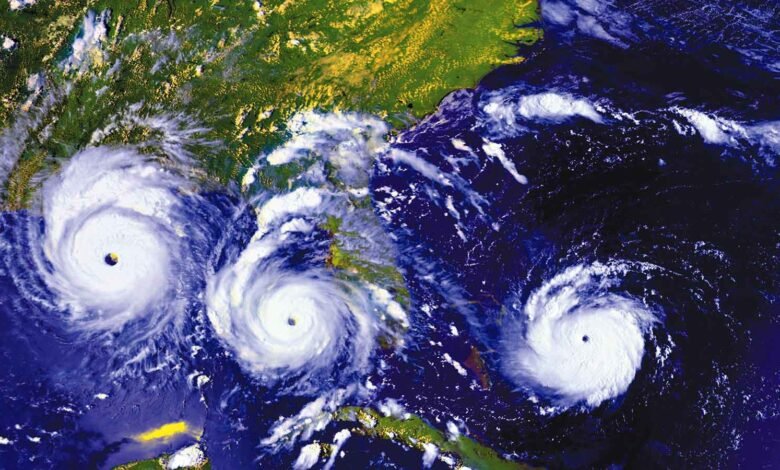
A Category 5 Hurricane is one of the most powerful types of tropical cyclone recognized on the Saffir-Simpson Hurricane Wind Scale. These storms are known for extremely strong sustained winds and the potential to cause severe damage to buildings, infrastructure, vegetation, and coastal communities. Understanding what makes a Category 5 Hurricane different from other storms can help people better understand hurricane forecasts and the importance of preparation.
Hurricanes develop over warm ocean water and can strengthen when atmospheric conditions are favorable. While many tropical systems weaken before reaching land, a storm that reaches Category 5 intensity represents an especially extreme weather event.
What Is a Category 5 Hurricane?
A Category 5 Hurricane is the highest category on the Saffir-Simpson Hurricane Wind Scale. It has maximum sustained winds of at least 157 miles per hour (252 kilometers per hour).
The category is based specifically on sustained wind speed. It does not directly measure every possible hazard associated with a hurricane. Storm surge, flooding, rainfall, tornadoes, and other impacts can also create serious dangers.
Because of the extreme wind speeds involved, a Category 5 Hurricane can produce catastrophic damage in areas directly affected by the strongest parts of the storm.
Category 5 Hurricane Wind Speed
The defining feature of a Category 5 Hurricane is its exceptionally high wind speed. Once sustained winds reach 157 mph or higher, the hurricane enters Category 5.
Wind speed can change during a storm. A hurricane may strengthen from one category to another as it moves across warm water and encounters favorable atmospheric conditions. It can also weaken because of land interaction, cooler water, dry air, or changes in atmospheric conditions.
For this reason, meteorologists continuously monitor developing hurricanes and update forecasts as new observations become available.
How Does a Category 5 Hurricane Form?
A hurricane begins as a tropical disturbance over warm ocean water. If conditions remain favorable, thunderstorms can become more organized and develop into a tropical depression, tropical storm, and eventually a hurricane.
Warm ocean water provides energy that can support the development of a tropical cyclone. Low wind shear can also help the storm maintain its organization.
When a hurricane intensifies significantly, its central circulation can become increasingly organized. In some cases, the storm can undergo rapid intensification, causing its wind speeds to increase considerably within a relatively short period.
Not every tropical storm becomes a hurricane, and only a small number reach Category 5 strength.
Category 5 Hurricane Damage
A Category 5 Hurricane has the potential to cause catastrophic damage. Extremely powerful winds can damage or destroy structures that are not designed to withstand severe hurricane conditions.
Roofs, windows, power systems, roads, trees, and communication infrastructure can all be affected. Coastal areas can face additional hazards from storm surge and large waves.
The actual level of damage depends on many factors, including construction standards, the storm’s size, how long extreme winds affect an area, terrain, population density, and whether the strongest part of the hurricane reaches the community.
Category 5 Hurricane and Storm Surge
Wind is only one part of a hurricane’s threat. Storm surge can be especially dangerous for coastal communities.
Storm surge occurs when hurricane winds push ocean water toward the coastline. The resulting rise in water levels can cause significant coastal flooding.
The amount of storm surge depends on several factors, including hurricane intensity, storm size, coastal shape, water depth, and the angle at which the storm approaches the coast.
This is why people should never judge a hurricane’s danger only by its category. A lower-category storm can still produce dangerous flooding and storm surge under the right conditions.
Category 5 Hurricane Preparation
Preparation is important whenever a major hurricane threatens an area. Residents should follow official instructions from emergency management authorities and weather agencies.
A basic emergency plan can include knowing evacuation routes, identifying a safe place to stay, and keeping important supplies available. People should also make sure they can receive emergency alerts if power or internet service becomes unavailable.
Important household preparations may include securing loose outdoor objects, protecting windows according to local guidance, charging essential devices, and keeping necessary supplies accessible.
People living in evacuation zones should take evacuation orders seriously and leave according to official instructions.
Category 5 Hurricane Safety
Safety during an extreme hurricane depends heavily on following official information. People should remain indoors in a safe location when dangerous winds are occurring unless authorities have instructed them to evacuate.
It is also important to avoid flooded roads and moving water. Floodwater can hide hazards and may be deeper or faster-moving than it appears.
During a major storm, conditions can change quickly. Official weather alerts and emergency management announcements should therefore be treated as the primary source of instructions.
Category 5 Hurricane Tracking
Meteorologists use satellites, aircraft observations, radar, ocean measurements, and computer models to monitor hurricanes.
Category 5 Hurricane tracking allows experts to estimate the storm’s current position, intensity, and likely path. Forecast information can help communities prepare before dangerous conditions arrive.
However, hurricane forecasts contain uncertainty. A storm’s exact path and intensity can change, so residents should continue monitoring updated forecasts rather than relying on an older prediction.
Famous Category 5 Hurricanes
Several Atlantic hurricanes have reached Category 5 intensity. These storms are remembered because of their exceptional strength and major impacts.
Examples include Hurricane Andrew in 1992, Hurricane Katrina in 2005, Hurricane Irma in 2017, and Hurricane Dorian in 2019. Each storm had different characteristics and affected different areas.
Studying major hurricanes helps meteorologists, engineers, emergency planners, and communities learn more about hurricane behavior and improve preparation strategies.
Why Category 5 Hurricanes Matter
A Category 5 Hurricane demonstrates how powerful tropical weather systems can become. Although the category provides important information about wind intensity, it should not be viewed as a complete measurement of a storm’s overall danger.
Rainfall, flooding, storm surge, tornadoes, and the size and speed of a hurricane can all influence its effects. Communities therefore need comprehensive emergency planning rather than focusing only on the category number.
Final Thoughts
A Category 5 Hurricane is defined by sustained winds of at least 157 mph and represents the highest level on the Saffir-Simpson Hurricane Wind Scale. These storms can produce catastrophic impacts, particularly when extreme winds combine with storm surge, flooding, and other hazards.
Understanding hurricane categories, monitoring official forecasts, and preparing before a storm arrives can make communities better equipped to respond to dangerous weather. The most important thing during any major hurricane is to follow local emergency instructions and prioritize safety.
You May Also Read

One Comment