Automated Case Information: A Guide to Digital Case Information Systems
Automated Case Information

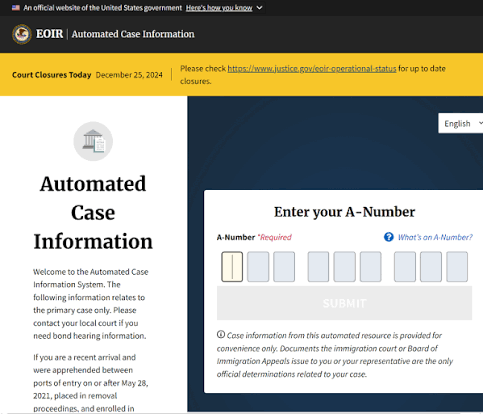
Introduction
Technology has changed the way organizations collect, manage, and access information. Many organizations now use digital systems to organize records and make important information available more efficiently. One example is automated case information, which refers to information about cases that is collected, organized, updated, and accessed through automated or digital systems.
Case information can relate to many areas, including customer service, legal administration, healthcare, insurance, government services, education, and business operations. Instead of relying entirely on paper records or manual processes, automated systems can help organize information in a structured way.
Understanding how automated case information works can help individuals and organizations recognize its benefits, limitations, and practical uses.
What Is Automated Case Information?
Automated case information is information connected to a specific case that is managed through an automated computer system. A “case” can mean different things depending on the organization. It might refer to a customer request, a service application, an administrative matter, a support issue, or another type of record.
An automated system may store basic case details, status updates, dates, assigned personnel, documents, notes, and other relevant information. Authorized users can then access the information through a digital interface.
Automation can reduce the need for repetitive manual tasks. For example, when a new case is created, the system may automatically generate a case number, record the submission date, and assign the case to the appropriate department.
How Automated Case Information Systems Work
Automated case information systems generally combine databases, software applications, and workflow tools. Information is entered into the system through forms, applications, customer portals, internal tools, or other approved sources.
Once information is submitted, the system can organize it according to predefined rules. Depending on the system, certain events can trigger automatic updates or notifications.
For example, a case might move through stages such as:
- Case creation
- Information verification
- Assignment
- Review
- Status update
- Resolution
- Record completion
The exact process depends on the organization and the type of case being managed.
Key Features
An automated case information system can include several useful features. A searchable database allows authorized users to find records without manually searching through physical files. Status tracking can show whether a case is new, under review, pending, completed, or in another stage.
Document management is another important feature. Relevant files can be associated with a case so that authorized personnel can access the necessary records from one location.
Notifications can also improve workflow. For example, a system may notify a staff member when a case requires attention or when an important deadline is approaching.
Reporting tools can provide summaries of case volumes, processing times, and other operational information.
Benefits of Automated Case Information
One major benefit is improved organization. Digital systems can keep large amounts of case information in structured databases, making it easier for authorized users to locate specific records.
Automation can also reduce repetitive administrative work. Tasks that previously required manual data entry or routine updates may be handled automatically according to established rules.
Another benefit is improved visibility. When a case has a digital status, relevant personnel may be able to see where it is in the workflow and what actions have already been recorded.
Automated systems can also support consistency. When standardized fields and workflows are used, organizations can follow the same basic procedures across many cases.
Uses Across Different Industries
Automated case information is used in many types of organizations. In customer service, systems can record customer requests, conversations, service issues, and resolutions.
In healthcare administration, digital case systems may help organize administrative records and service-related workflows while following applicable privacy requirements.
Insurance organizations can use case-management systems to organize claims and related documentation.
Government agencies may use digital systems for applications, requests, administrative records, and other public-service processes.
Businesses can also use automated case management for internal support, compliance tasks, project issues, and operational requests.
Accuracy and Data Quality
Automation can make information management more efficient, but the quality of the information still depends on the data entered into the system. Incorrect, incomplete, or outdated information can create problems even when the system itself is automated.
Organizations should therefore establish procedures for reviewing important records. Validation rules can help identify missing fields or incorrectly formatted information.
Regular maintenance is also important. Systems may need updates to reflect changes in business processes, regulations, organizational structures, or user requirements.
Security and Privacy
Case information can sometimes contain sensitive or confidential material. For this reason, security is an important part of any automated case information system.
Organizations can use access controls to limit information to authorized users. Authentication methods can help verify user identities, while audit logs can record certain actions performed within the system.
Data protection practices should be designed according to the type of information being stored and the laws or regulations that apply to the organization.
Users should also be trained to handle digital records responsibly. Strong technical controls are useful, but responsible human behavior remains an important part of information security.
Challenges of Automation
Although automation provides many benefits, implementing an automated case information system can involve challenges. Organizations may need to invest in software, infrastructure, training, and maintenance.
Employees may also need time to adapt to new workflows. If a system is complicated or poorly designed, users may have difficulty adopting it effectively.
Another challenge is integrating different systems. An organization may already have multiple databases or software platforms, and connecting them can require careful planning.
Automation also does not eliminate the need for human judgment. Some cases may involve unusual circumstances that cannot be handled effectively through predefined rules alone.
Choosing an Automated Case Information System
Organizations considering automation should first identify their specific requirements. Important questions include what type of information needs to be stored, who needs access, how cases move through the workflow, and what reporting features are required.
Ease of use is also important. A system should allow authorized users to find and update information without unnecessary complexity.
Security features, scalability, integration capabilities, support services, and maintenance requirements should also be evaluated before implementation.
Future of Automated Case Information
As digital technology continues to develop, automated case information systems are likely to become more sophisticated. Organizations may increasingly use intelligent search, workflow automation, analytics, and other technologies to manage information.
However, future systems will still need strong data governance and appropriate human oversight. Automation works most effectively when organizations combine reliable technology with clear processes and responsible information management.
Conclusion
Automated case information provides a structured way to manage case-related records through digital systems. By organizing information, tracking statuses, supporting notifications, and reducing repetitive administrative work, automation can improve many information-management processes.
At the same time, organizations must pay attention to data quality, security, privacy, system integration, and user training. Automation should support human decision-making rather than replace appropriate judgment in situations that require careful review.
When properly designed and managed, automated case information systems can provide organizations with a more organized and efficient approach to handling digital records and case workflows.
You May Also Read

One Comment