
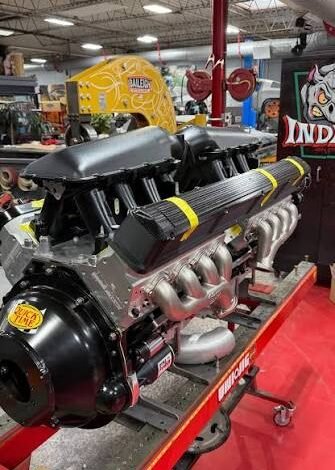
When it comes to building a high-performance vehicle, the engine is one of the most important components to consider. A well-designed engine can transform the driving experience by providing better power, reliability, throttle response, and overall performance. This is where Blueprint Engines have gained attention among automotive enthusiasts, racers, restorers, and drivers who want more from their vehicles.
Blueprinting an engine is more than simply assembling its components. It involves carefully measuring, matching, inspecting, and assembling engine parts so that they work together as efficiently as possible. The goal is to create an engine with consistent tolerances and balanced components, helping it deliver dependable performance.
What Are Blueprint Engines?
The term Blueprint Engines generally refers to engines that have been carefully built according to precise specifications. During the building process, individual components are inspected and measured rather than simply installed according to general manufacturing tolerances.
A typical engine contains many moving parts, including pistons, connecting rods, bearings, crankshafts, camshafts, and valves. Even small differences in these components can influence how an engine operates. Blueprinting focuses on making sure these parts work together within carefully selected specifications.
This approach can be especially useful for performance engines because consistency becomes increasingly important as power and engine speed increase.
Why Engine Blueprinting Matters
Manufacturers produce engines within acceptable production tolerances. However, those tolerances can allow some variation from one engine to another. Two engines of the same model may therefore have slightly different measurements.
Engine blueprinting attempts to reduce unnecessary variation. Builders measure critical components and select combinations that work well together. Clearances, compression ratios, rotating assemblies, and other specifications can be carefully checked during the process.
The result is an engine that has been assembled with attention to detail rather than simply following a standard production process.
Main Components Considered During Blueprinting
Several important components may receive additional attention during an engine blueprinting process.
Crankshaft
The crankshaft converts the pistons’ movement into rotational motion. Its dimensions, balance, and condition are important for smooth engine operation. A performance engine builder may carefully inspect the crankshaft and verify that its measurements meet the intended specifications.
Pistons and Connecting Rods
Pistons and connecting rods work together during every engine cycle. Their weight, dimensions, and relationship to the rest of the rotating assembly can affect engine balance and performance.
Matching components can help create a more consistent rotating assembly.
Bearings and Clearances
Proper bearing clearance is another important part of engine assembly. Excessive or insufficient clearance can cause problems with lubrication and component wear.
Blueprinting allows the builder to measure these areas carefully and build the engine around the desired specifications.
Cylinder Heads
Cylinder heads control airflow into and out of the combustion chambers. Their condition and specifications can have a major influence on engine performance.
Depending on the application, cylinder heads may be inspected, measured, and prepared to work effectively with the engine’s other components.
Benefits of Blueprint Engines
One of the biggest advantages of a properly blueprinted engine is consistency. When components are carefully measured and assembled, the engine can be built around specific performance goals.
Another potential benefit is improved reliability. Correct clearances and properly matched components can help reduce unnecessary stress and wear.
Blueprint engines can also provide predictable performance. This is particularly valuable for motorsports applications, where consistent engine behavior can be important from one event to another.
However, blueprinting does not automatically make every engine more powerful. The results depend on the quality of the components, the builder’s experience, the intended application, and the overall engine design.
Blueprint Engines for Performance Vehicles
Performance enthusiasts often look for engines that provide strong power without sacrificing reliability. A carefully assembled engine can be an attractive option for street performance vehicles, classic cars, race cars, and custom builds.
The appropriate specifications depend on how the vehicle will be used. A daily-driven vehicle may require different priorities than a dedicated racing machine. Street engines generally need a practical balance between power, durability, fuel economy, and drivability.
Race engines, on the other hand, may prioritize maximum performance within specific competition rules.
Choosing the Right Blueprint Engine
Before choosing a blueprint engine, it is important to consider the vehicle and its intended purpose. Engine size, power goals, transmission type, fuel system, and driving conditions can all influence the ideal setup.
Buyers should also consider the reputation of the engine builder or manufacturer. A quality engine should come with clear specifications and information about the components used in its construction.
It can also be helpful to understand whether the engine is designed primarily for street use, racing, restoration, or another application. Choosing an engine based only on horsepower numbers may not produce the best overall result.
Blueprint Engines and Classic Cars
Classic car owners often use performance engines when restoring or upgrading older vehicles. A modernized engine can provide additional performance while maintaining the character of a classic project.
For these applications, compatibility is extremely important. Engine mounts, cooling systems, exhaust components, transmissions, electrical systems, and other parts may need to work together.
A properly planned engine project can help ensure that increased performance does not create unnecessary problems elsewhere in the vehicle.
Maintenance Is Still Important
Even a carefully built engine requires proper maintenance. Blueprinting can improve consistency during assembly, but it cannot eliminate the need for regular servicing.
Oil changes, cooling-system maintenance, proper tuning, and inspection of important components all contribute to long-term engine health.
Using the appropriate oil and following recommended maintenance intervals can also help protect internal engine components. High-performance engines may require more frequent inspections depending on how they are driven.
Final Thoughts
Blueprint Engines represent a detailed approach to engine building that focuses on measurement, precision, component matching, and careful assembly. Instead of relying only on general production tolerances, blueprinting allows an engine to be built around specific specifications and performance objectives.
For automotive enthusiasts, the appeal is clear: a carefully assembled engine can offer a combination of performance, consistency, and reliability when designed and built correctly.
Whether someone is restoring a classic vehicle, building a street-performance car, or preparing a dedicated racing machine, choosing the right engine requires careful planning. Understanding what blueprinting involves can make it easier to compare different engine options and select a setup that matches the vehicle’s needs.
Ultimately, the quality of the components and the expertise of the builder remain just as important as the concept of blueprinting itself. When these factors come together, a blueprint engine can become a strong foundation for an impressive and dependable performance vehicle.
You May Also Read




One Comment