
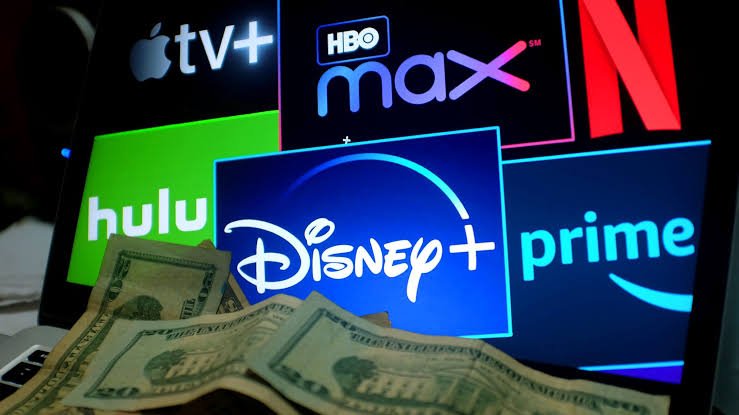
Streaming Services have changed the way people watch movies, television programs, listen to music, and enjoy other forms of digital entertainment. Instead of depending entirely on traditional television channels, physical media, or downloaded files, users can access a wide variety of content through an internet connection. This has made entertainment more convenient, flexible, and accessible for people around the world.
The popularity of Streaming Services has grown significantly because they allow users to choose what they want to watch or listen to and often provide access across different devices. Smartphones, tablets, computers, smart televisions, and other connected devices can all be used to access digital content.
What Are Streaming Services?
Streaming services are online platforms that deliver digital content directly over the internet. The content can include movies, television shows, documentaries, music, podcasts, live events, and other forms of entertainment.
Unlike traditional methods that require users to purchase or physically own a particular piece of media, streaming allows content to be played through an online platform. Depending on the service, users may pay a subscription, purchase individual content, or access selected material for free with advertisements.
This model has made digital entertainment easier to access and has given consumers more choices.
How Streaming Services Work
Streaming generally works by sending small portions of digital content over an internet connection while the user is watching or listening. The device receives the information continuously, allowing the content to play without requiring the entire file to be downloaded first.
A stable internet connection can improve the overall experience. Internet speed, device performance, video quality, and network congestion can all affect playback.
Many platforms also automatically adjust quality according to available bandwidth. This can help reduce interruptions when internet conditions change.
Types of Streaming Services
There are several different types of streaming platforms. Video streaming services focus primarily on movies, television shows, documentaries, and other visual content. Music streaming services provide access to songs, albums, playlists, and audio programs.
Live streaming platforms allow users to watch events as they happen. These can include sports, news programs, educational sessions, concerts, and other live broadcasts.
Some services specialize in specific types of content. For example, a platform may focus on documentaries, children’s programming, independent productions, or educational material.
Benefits of Streaming Services
One of the biggest advantages of Streaming Services is convenience. Users can access content from home or while traveling, depending on their internet connection and the service’s availability.
Another benefit is variety. A single platform can offer a large selection of programs, allowing users to explore different genres and discover new content.
Streaming can also provide flexibility. Instead of waiting for a program to appear at a particular broadcast time, users can often choose when they want to watch available content.
Personalized recommendations are another useful feature. Many platforms analyze viewing or listening patterns and suggest content that may match a user’s interests.
Streaming on Different Devices
Modern streaming is not limited to traditional television screens. Smartphones and tablets allow users to enjoy content on portable devices, while computers provide another convenient option.
Smart televisions and streaming devices can connect online platforms directly to a television screen. This makes it possible to create an entertainment setup without depending exclusively on traditional cable or satellite services.
The ability to move between devices has become an important part of the modern streaming experience.
Subscription Models
Different streaming platforms use different pricing structures. Some require a monthly or yearly subscription, while others provide free content supported by advertising.
Some platforms offer multiple plans with different features. These may include differences in video quality, advertising, simultaneous viewing, or access to particular content.
Before selecting a service, consumers should consider what type of content they actually want and whether the available features justify the cost.
Streaming and Traditional Television
Streaming has introduced a different approach to television entertainment. Traditional television usually follows a scheduled programming model, meaning viewers watch content at specific times.
Streaming services often provide on-demand access instead. Users can select available content according to their own schedules.
However, traditional television can still be useful for live broadcasts, local programming, news, and other content that may not be available through every streaming platform.
For many households, the two approaches can work together rather than completely replacing one another.
Internet Quality and Streaming
Internet quality plays an important role in streaming. High-quality video generally requires more bandwidth than lower-quality content.
If an internet connection becomes unstable, users may experience buffering, reduced picture quality, or interruptions. Using a reliable connection and keeping devices updated can help improve performance.
For households with multiple people using the internet at the same time, network activity from other devices can also influence streaming quality.
Choosing the Right Streaming Service
With many platforms available, choosing the right service can sometimes be difficult. The best option depends on individual preferences.
Users should consider the type of content they enjoy, the available library, subscription price, supported devices, video or audio quality, and any additional features.
It is also useful to check whether a particular platform is available in the user’s region because content libraries and service availability can vary between countries.
Rather than subscribing to every platform, consumers can compare their options and select services that provide the most useful content for their needs.
The Future of Streaming Services
The streaming industry continues to develop as technology changes. Better internet infrastructure, improved devices, higher-quality video, and new forms of digital content are likely to influence the future of streaming.
Platforms may continue to compete through original programming, exclusive content, personalized recommendations, improved interfaces, and flexible subscription options.
At the same time, consumers are becoming more selective about the number of subscriptions they maintain. This could encourage streaming companies to focus more strongly on content quality and value.
Conclusion
Streaming Services have become an important part of modern digital entertainment. They provide convenient access to movies, television programs, music, live events, and many other types of content through internet-connected devices.
Their popularity comes from flexibility, variety, portability, and on-demand access. Although traditional television and other forms of entertainment remain relevant, streaming has created new ways for people to choose and enjoy digital content.
As internet technology and digital platforms continue to evolve, streaming is likely to remain an important part of the entertainment landscape. For consumers, understanding different services, pricing models, content libraries, and technical requirements can help them choose options that best match their interests and needs.
You May Also Read





One Comment