Senior Monitoring Systems: A Complete Guide to Safety, Care, and Technology
Senior Monitoring Systems

Long-Tail Keywords: senior monitoring systems
Introduction
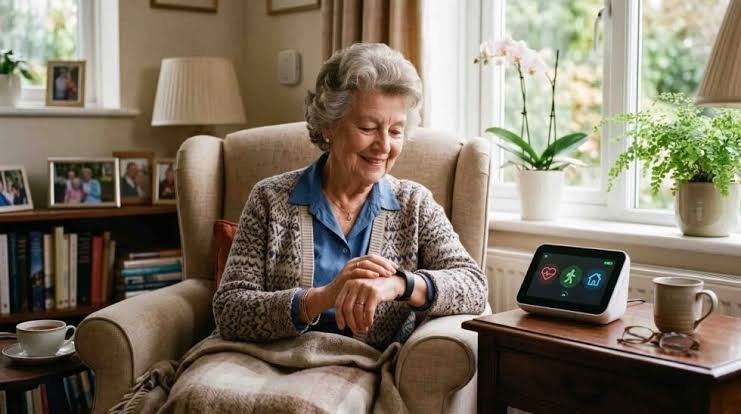
Senior Monitoring Systems are becoming increasingly important as families look for practical ways to support older adults while helping them maintain independence. These systems use technology to monitor safety, provide emergency assistance, and help caregivers stay informed about an older person’s well-being. They can be especially useful for seniors who live alone or prefer to remain in their own homes rather than move into a residential care facility.
Modern senior monitoring solutions range from emergency alert devices to smart home sensors and wearable technology. Depending on the system, these tools may help detect unusual activity, identify potential emergencies, or connect older adults with caregivers. Understanding the available options can help families choose a solution that suits their needs, preferences, and budget.
What Are Senior Monitoring Systems?
Senior monitoring systems are technologies designed to support the safety and well-being of older adults. They help families, caregivers, and care professionals receive information about an individual’s safety without requiring constant in-person supervision.
Some systems allow seniors to press an emergency button when they need assistance. Others use motion sensors, wearable devices, or smart home technology to identify certain changes in activity. More advanced solutions may include fall detection, medication reminders, and location-sharing features.
These systems are not all the same. Some focus on emergencies, while others support everyday routines and communication. They should complement appropriate personal care rather than replace medical attention or human interaction.
Types of Senior Monitoring Systems
1. Medical Alert Systems
Medical alert systems are among the most widely recognized options for senior safety. They usually include a wearable pendant, wristband, or mobile device with an emergency button.
When the user activates the button, the system connects them with a monitoring service, caregiver, or designated emergency contact. Some services operate around the clock, allowing users to request help at any time.
These devices can be particularly useful for seniors who want reassurance when moving around their homes or spending time outdoors. Before purchasing one, families should check whether the service requires a monthly subscription and whether coverage is available outside the home.
2. Fall Detection Systems
Fall detection technology can identify movement patterns that may indicate a fall. Depending on the device, the system may automatically send an alert to a monitoring center or designated contact.
Some wearable devices include built-in fall detection, while certain home monitoring solutions use sensors to identify unusual movement.
However, fall detection is not perfect. Devices may miss some falls or generate false alarms. Families should understand the limitations and ensure that the system provides an appropriate way to request help manually.
3. Smart Home Monitoring
Smart home monitoring uses sensors and connected devices to provide information about everyday activity. Motion sensors, door sensors, and other devices may help caregivers understand whether usual routines appear to have changed.
For example, a system might notify a designated caregiver when a sensor detects an unexpected event. This information can encourage a family member to check in when necessary.
Smart home monitoring should be configured carefully to respect privacy. Families should discuss which information is collected, who can access it, and when alerts should be sent.
4. GPS Tracking Devices
GPS-enabled devices can help caregivers locate seniors who choose to use location-sharing technology. These devices may be useful for older adults who enjoy walking independently or who sometimes become disoriented in unfamiliar surroundings.
Some devices offer location updates, geofencing alerts, and emergency communication features. Geofencing allows users or caregivers to establish a designated area and receive a notification when the device moves beyond it.
Location monitoring should be discussed openly with the senior, and families should select a device that balances safety with personal independence.
5. Medication Reminder Systems
Medication reminder systems help older adults follow their prescribed medication schedules. Depending on the product, these systems may use alarms, smartphone notifications, or automated dispensers.
Some advanced devices can notify caregivers when a scheduled medication compartment has not been accessed. However, a notification does not necessarily confirm that medication was taken correctly.
Seniors should follow their healthcare professional’s instructions, and families should choose a reminder system that matches the individual’s medication routine and abilities.
Benefits of Senior Monitoring Systems
Senior monitoring systems can offer several practical benefits for older adults and their caregivers.
Greater peace of mind: Families may feel more reassured when a reliable system provides emergency communication or useful safety alerts.
Support for independent living: Seniors can maintain their routines and enjoy greater independence while having access to assistance when needed.
Faster emergency communication: Medical alert devices can help users contact designated responders when they need urgent support.
Improved caregiver coordination: Shared alerts and relevant activity information can help family members organize check-ins and care responsibilities.
Support for daily routines: Medication reminders and scheduled notifications can help seniors manage everyday tasks.
The actual benefits depend on the device, its reliability, the user’s comfort with technology, and the availability of people who can respond to alerts.
How to Choose the Right Senior Monitoring System
Choosing an appropriate monitoring system starts with understanding the senior’s preferences and everyday needs.
First, consider the person’s living arrangement. Someone who spends most of their time at home may benefit from a home-based medical alert system, while someone who regularly travels outdoors may prefer a mobile device with GPS.
Second, review the available features. Decide whether emergency calling, automatic fall detection, activity sensors, medication reminders, or location sharing would be useful.
Third, examine reliability and connectivity. Check battery life, cellular coverage, Wi-Fi requirements, water resistance, and what happens if the internet or electricity stops working.
Cost is another important consideration. Compare the initial purchase price, subscription charges, installation fees, and any additional costs for caregivers or emergency monitoring services.
Finally, involve the senior in the decision. A system is more likely to be used consistently when the person understands its purpose and feels comfortable wearing or using it.
Privacy and Security Considerations
Privacy is an important part of choosing senior monitoring technology. Some systems collect location information, activity data, or other personal details.
Families should read the privacy policy and understand how information is stored, shared, and protected. Strong passwords, secure connections, software updates, and appropriate account permissions can help reduce security risks.
Whenever possible, older adults should participate in decisions about monitoring. Explain what the system can detect, who receives notifications, and how the collected information will be used.
Monitoring should support a person’s safety and independence without unnecessarily limiting their privacy or dignity.
Common Challenges of Senior Monitoring Systems
Although these systems can be helpful, they also have limitations.
Technical problems may interrupt connectivity or delay notifications. Wearable devices may be forgotten, misplaced, or left without sufficient battery power. Sensors can also produce false alerts or fail to identify an emergency.
Some seniors may find digital devices confusing or uncomfortable. Others may worry about being monitored too closely.
Families can address these concerns by selecting easy-to-use devices, providing simple training, testing emergency functions, and establishing a clear response plan. Regularly checking batteries and connectivity is also important.
No monitoring device can guarantee safety, so technology should be combined with appropriate human support and regular communication.
The Future of Senior Monitoring Technology
Senior monitoring technology continues to develop as connected devices, artificial intelligence, and smart home solutions become more advanced.
Future systems may provide more personalized alerts, identify meaningful changes in daily routines, and help caregivers organize support more efficiently. Wearable devices may also offer additional health-related measurements, depending on their capabilities and regulatory status.
However, technological progress should be balanced with transparency, reliability, accessibility, and privacy. The best systems will be those that help older adults feel secure without making everyday life unnecessarily complicated.
Conclusion
Senior monitoring systems provide families and older adults with practical tools for supporting safety, communication, and independent living. From medical alert devices and fall detection to smart home sensors and medication reminders, different solutions address different needs.
Choosing the right system requires careful consideration of features, reliability, cost, privacy, and ease of use. Most importantly, older adults should remain involved in decisions about their care and monitoring preferences.
When used thoughtfully alongside personal support and appropriate healthcare, senior monitoring systems can help create a safer and more reassuring environment for older adults and their families.
You May Also Read

One Comment