Supplements Guide TheWeeklyHealthiness: Understanding Dietary Supplements for Better Wellness
Supplements Guide TheWeeklyHealthiness

Long-Tail Keywords: supplements guide theweeklyhealthiness
Introduction
Supplements Guide TheWeeklyHealthiness is a useful topic for readers who want to understand dietary supplements and their role in everyday health and wellness. Many people explore vitamins, minerals, protein powders, and other nutritional products to learn whether they can support their dietary needs. However, choosing supplements requires reliable information, careful consideration, and an understanding of individual nutritional requirements. Supplements can be helpful in certain situations, but they are not a replacement for balanced meals, healthy lifestyle habits, or professional medical advice.
What Are Dietary Supplements?
Dietary supplements are products designed to add specific nutrients or other dietary ingredients to a person’s usual diet. They may contain vitamins, minerals, amino acids, proteins, herbs, or other substances. They are available in several forms, including tablets, capsules, powders, liquids, and gummies.
People use supplements for different reasons. Some may need additional nutrients because of dietary restrictions, specific life stages, or a confirmed deficiency. Others may be advised to take certain supplements by a healthcare professional.
It is important to understand that not everyone needs supplements. A varied and balanced diet can provide many essential nutrients for most people. Whether a supplement is appropriate depends on individual circumstances, dietary patterns, and health needs.
Common Types of Supplements
Understanding the main categories of supplements can help readers make more informed decisions.
1. Vitamins
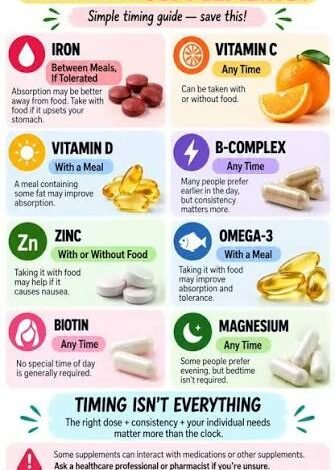
Vitamins support various functions in the body. For example, vitamin D helps the body absorb calcium, while vitamin C contributes to normal collagen formation and supports immune function.
Vitamin supplements may be recommended when dietary intake is insufficient or when a person has an increased need. However, taking more than the recommended amount does not necessarily provide additional benefits.
2. Minerals
Minerals such as calcium, iron, magnesium, and zinc are involved in important bodily processes.
Calcium contributes to bone health, iron supports oxygen transport, and magnesium participates in numerous biochemical reactions. Supplements containing these minerals may be useful for certain people, but unnecessary intake can cause side effects or interfere with other nutrients and medications.
3. Protein Supplements
Protein powders and ready-to-drink protein products are often used by people who want convenient ways to increase protein intake.
Many individuals can obtain sufficient protein through foods such as eggs, beans, lentils, dairy products, fish, poultry, tofu, and nuts. Protein supplements may be convenient when food alone does not meet a person’s needs, but they are not essential for everyone.
4. Herbal Supplements
Herbal supplements contain ingredients derived from plants. Products may be marketed for relaxation, digestion, energy, or other wellness goals.
Natural ingredients are not automatically safe. Some herbs can cause side effects, interact with prescription medicines, or be unsuitable for particular medical conditions. Consumers should research ingredients carefully and consult a qualified healthcare professional when necessary.
Potential Benefits of Supplements
Supplements can help address specific nutritional gaps when used appropriately. For example, a healthcare professional may recommend a vitamin or mineral supplement after identifying a deficiency or recognizing a particular nutritional need.
Certain supplements are also recommended in specific circumstances. Folic acid, for instance, is recommended for people who may become pregnant to help reduce the risk of neural tube defects. Vitamin B12 supplementation may be important for some people following a vegan diet because naturally occurring B12 is primarily found in animal-derived foods and certain fortified products.
However, benefits depend on the supplement, the individual’s needs, and the amount consumed. A product that is useful for one person may provide little benefit to someone who already receives sufficient nutrients.
The most sensible approach is to identify a genuine need before adding a supplement to a daily routine.
How to Choose the Right Supplement
Choosing a supplement involves more than selecting a popular brand or an attractive package. Consumers should consider several important factors.
First, identify the reason for taking the product. A specific nutritional concern is a better starting point than a general promise to improve health.
Second, review the ingredient list and serving information. Check the amount of each nutrient and whether the product contains additional ingredients that may be unnecessary.
Third, look for quality information. Independent testing or certification can provide additional information about product identity and quality, although it does not guarantee that a supplement is effective or appropriate for every person.
Finally, consider personal health circumstances. Age, dietary patterns, pregnancy, medical conditions, and medications can all affect whether a product is suitable.
When uncertain, ask a doctor or registered dietitian for individualized guidance.
Understanding Supplement Safety
Although many supplements are widely available, they can still cause unwanted effects. Excessive amounts of certain vitamins and minerals may be harmful. For example, too much vitamin A can cause toxicity, while excessive iron intake can be dangerous.
Some supplements can also interact with medicines. Certain herbal products may affect how medications work, and some nutrients can change the absorption of particular drugs.
Avoid combining multiple products without checking their ingredients, because different supplements may contain the same nutrients. This can result in unintentionally high total intake.
People who are pregnant, breastfeeding, preparing for surgery, or managing a medical condition should seek professional advice before starting a new supplement. Children and teenagers also have different nutritional requirements from adults.
Supplements should never be used as a substitute for prescribed treatment or as a reason to delay medical care.
Supplements and a Balanced Diet
A balanced diet remains the foundation of good nutrition. Foods provide a combination of nutrients, fiber, and other beneficial compounds that supplements may not fully reproduce.
Fruits, vegetables, whole grains, legumes, nuts, and appropriate protein sources can contribute to a varied eating pattern. Drinking enough water and maintaining regular meal habits are also important parts of general wellness.
Supplements may fill specific gaps, but they cannot compensate for every aspect of a poor-quality diet. Whenever practical, food should remain the primary source of nutrition, with supplements used when there is a clear reason.
A registered dietitian can help people evaluate their usual eating patterns and identify potential nutritional gaps without relying on unnecessary products.
Common Myths About Supplements
One common misconception is that all supplements are safe because they are sold without a prescription. In reality, supplements can have side effects and may interact with medications.
Another myth is that taking higher doses produces faster or better results. Nutrients have recommended intake levels, and excessive amounts may cause harm.
Some people also believe that expensive supplements are always more effective. Price alone does not demonstrate quality, safety, or effectiveness.
Finally, supplements are not guaranteed solutions for fatigue, weight management, immunity, or other health concerns. Persistent symptoms should be evaluated by a healthcare professional rather than automatically treated with a supplement.
Building a Responsible Supplement Routine
A responsible supplement routine begins with understanding individual needs. Keep a record of products you take, read labels carefully, and follow professional recommendations regarding dosage and duration.
Avoid starting several new supplements simultaneously, especially when you are unsure how they may affect you. If an unexpected reaction occurs, seek appropriate medical advice.
It can also be useful to review supplement use periodically with a healthcare professional. Nutritional needs may change with age, diet, activity levels, and other circumstances.
Most importantly, focus on the basics of health: balanced nutrition, regular physical activity, adequate sleep, and preventive healthcare.
Conclusion
Supplements Guide TheWeeklyHealthiness provides a starting point for understanding dietary supplements and making informed wellness decisions. Vitamins, minerals, protein products, and herbal supplements may have a role in certain situations, but their usefulness depends on individual needs and product safety.
Consumers should prioritize reliable information, check ingredients, consider possible interactions, and seek professional guidance when necessary. Supplements are best viewed as potential additions to a balanced lifestyle rather than replacements for healthy food or medical care.
By taking a thoughtful approach, readers can better understand their nutritional needs and avoid spending money on products that may not be necessary. Responsible choices and evidence-based information remain essential parts of long-term wellness.
You May Also Read


One Comment