
The dominican republic is a Caribbean country known for its tropical landscapes, beautiful beaches, rich cultural traditions, and fascinating history. Located on the island of Hispaniola, it shares the island with Haiti and occupies its eastern portion. The country has developed into one of the Caribbean’s best-known destinations while maintaining a distinctive culture shaped by Indigenous, African, European, and other influences.
From historic cities and mountain landscapes to coastal resorts and vibrant communities, the Dominican Republic offers a diverse combination of natural and cultural attractions.
Where Is the Dominican Republic?
The Dominican Republic is located in the Caribbean region on the island of Hispaniola. The island lies between the Atlantic Ocean and the Caribbean Sea.
Its geographic position gives the country a warm tropical climate and access to numerous beaches and coastal areas. The country’s landscape is varied, including mountains, valleys, forests, rivers, and long stretches of coastline.
Santo Domingo, the capital city, is located on the southern coast and is one of the country’s most historically significant cities.
A Brief Look at History
The history of the Dominican Republic is closely connected with the wider history of the Caribbean. Before European arrival, the island was inhabited by Indigenous Taíno communities.
Christopher Columbus reached Hispaniola in 1492, beginning a period of Spanish colonization. Santo Domingo subsequently became an important early European settlement in the Americas.
Over the centuries, the island experienced major political and social changes. The eastern portion eventually developed into the modern Dominican Republic, which declared independence from Haiti in 1844.
Its history has continued to influence the country’s architecture, traditions, language, and cultural identity.
Santo Domingo
Santo Domingo is the capital and largest city of the Dominican Republic. It is especially notable for its historic district, which contains buildings and streets dating back to the colonial period.
The Colonial Zone, known as Ciudad Colonial, includes historic landmarks, plazas, churches, museums, and other architectural sites.
Visitors interested in history can explore the area’s streets while learning about the country’s connection to the early history of European settlement in the Americas.
Beautiful Beaches and Coastlines
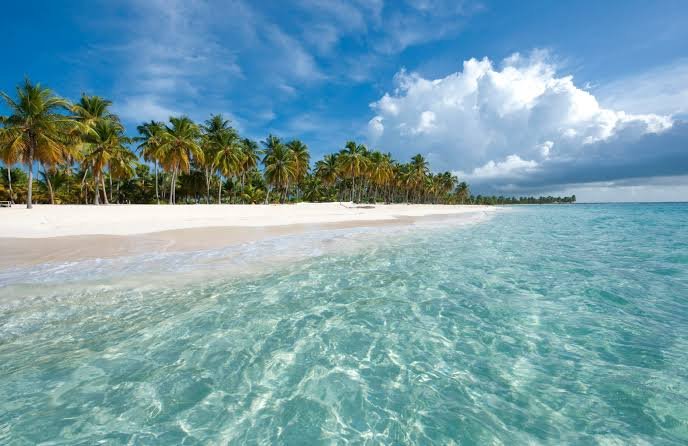
The Dominican Republic is widely known for its beaches. Different coastal regions offer different scenery, from wide sandy beaches to quieter coastal areas.
Punta Cana is one of the country’s most recognized tourism destinations. It is known for its beaches, resorts, and access to Caribbean and Atlantic coastal environments.
Other coastal destinations offer opportunities for swimming, sightseeing, boating, and enjoying tropical scenery.
Natural Landscapes
Although beaches receive much of the attention, the Dominican Republic also has impressive mountain and forest landscapes.
The country contains several mountain ranges, including the Cordillera Central. Pico Duarte, located in this mountain system, is the highest point in the Caribbean.
National parks and protected areas provide opportunities to experience forests, caves, rivers, wildlife, and other natural environments.
This geographical diversity makes the country more than simply a beach destination.
Dominican Food
Food is an important part of Dominican culture. Traditional cuisine reflects a combination of Indigenous, African, European, and regional Caribbean influences.
Rice and beans are common components of Dominican meals. Plantains, meats, vegetables, and seafood also feature prominently in local cuisine.
Popular dishes include la bandera dominicana, sancocho, mangú, and various preparations involving plantains and meat.
Food traditions can vary between regions and families, making Dominican cuisine diverse and closely connected to everyday life.
Music and Dance
Music is another major part of Dominican culture. Merengue and bachata are two internationally recognized musical styles associated with the country.
Merengue has long been an important part of Dominican cultural identity, while bachata has developed into a globally popular genre.
Music and dance are present in festivals, celebrations, social gatherings, and everyday cultural life.
Baseball in the Dominican Republic
Baseball has a particularly strong following in the Dominican Republic. The country has produced many internationally recognized professional baseball players.
Young players often develop their skills through local baseball programs and academies. Baseball is more than a professional sport in many communities and forms an important part of the country’s sporting culture.
The Dominican Republic’s influence on international baseball has helped make the country well known among sports fans worldwide.
Tourism in the Dominican Republic
Tourism is an important part of the country’s economy. Visitors come for beaches, resorts, historical attractions, outdoor activities, food, music, and cultural experiences.
Different destinations appeal to different types of travelers. Some visitors prefer resort vacations, while others are interested in history, hiking, local communities, or nature.
The country’s combination of tropical weather and diverse attractions makes it suitable for many styles of travel.
Climate and Best Travel Considerations
The Dominican Republic generally has a tropical climate, although temperatures and rainfall can vary by region and elevation.
Coastal areas are typically warm throughout much of the year, while mountainous regions can have noticeably cooler conditions.
Travelers should check current weather conditions and local advisories before planning activities. Seasonal weather can influence outdoor plans, particularly during periods when tropical storms may occur in the Caribbean.
Why the Dominican Republic Stands Out
The Dominican Republic combines natural beauty with a deep cultural and historical background. Its beaches attract visitors from around the world, while its cities, music, food, sports, and traditions provide a broader picture of Dominican life.
The country also offers significant geographical variety. Visitors can experience coastal environments, historic neighborhoods, agricultural areas, forests, and mountains within the same national borders.
Final Thoughts
The Dominican Republic is a fascinating Caribbean country with a distinctive combination of history, culture, nature, and tourism. From the historic streets of Santo Domingo to the beaches of Punta Cana and the mountains of the interior, the country offers many different experiences.
Its music, cuisine, baseball tradition, historic sites, and natural landscapes have helped establish a strong cultural identity that continues to attract interest from people around the world. Whether exploring its history or enjoying its tropical scenery, the Dominican Republic provides a rich example of Caribbean culture and geography.
You May Also Read

One Comment